How to Read Haiku
Updated: Mar 17, 2025

Learning about the cultural roots of poetry in Japan helps us understand and enjoy the subtle art of haiku.An appreciation for the cycles of nature and keen attention to the moment infuse the arts of East Asia.
Embedded in a traditional haiku is a "season word" that implies an ever shifting world of loss or new beginnings. The colors of autumn and winter snow are appreciated for their beauty as well as what they may imply, coming hardship or growing old. Spring and summer are often celebrated with poems of plum blossoms or children, signs of renewal and tenderness.
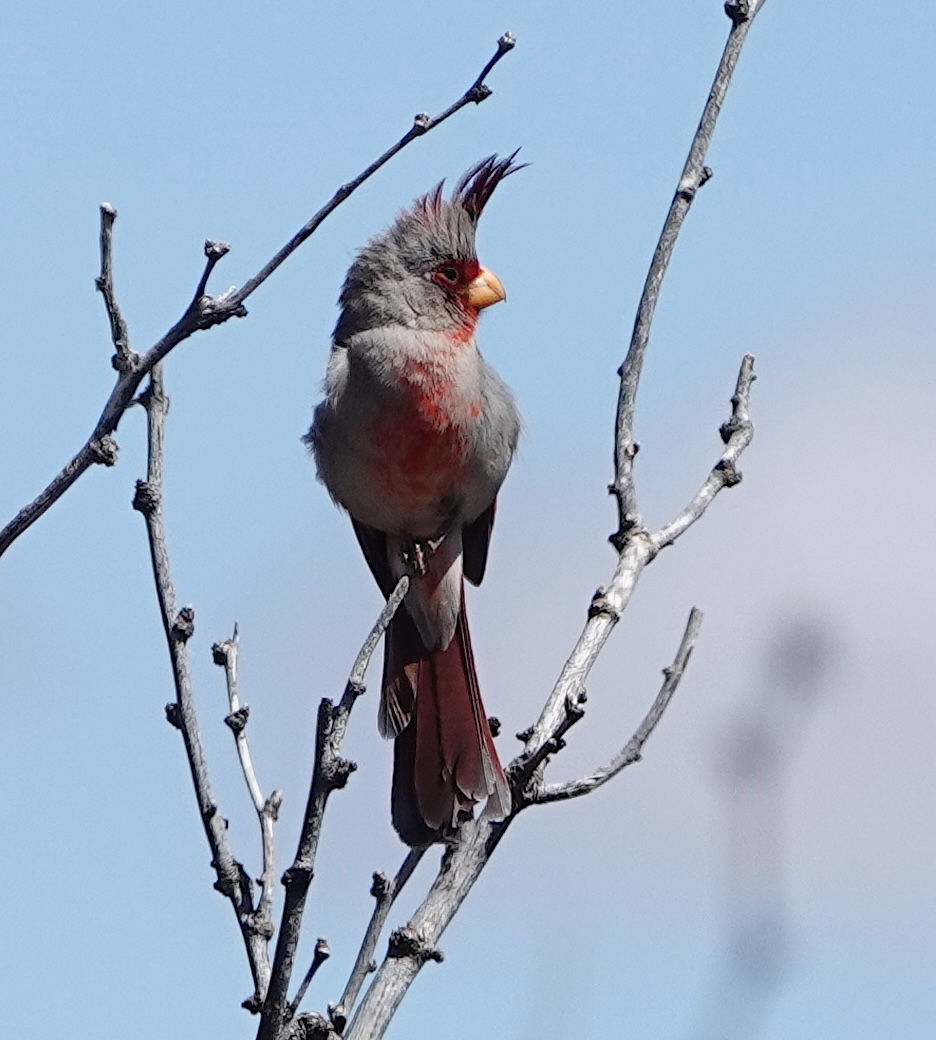
My haiku about a desert cardinal, the Pyrrhuloxia, is anchored in Spring when the males find a safe spot and may be calling for a mate. His soft whisper made me eager to meet him in the tangled thicket but a female pyrrhuloxia would know better how to negotiate the thorns!
While I could not to respond to his enchanting call, this brief encounter nestled deep into my heart. Learning to express its magic in a brief three lines taught me to honor the brevity of a lasting moment with a mirror image poem. His song reminded me to honor the whispered tendrils that connect us all.
*tangled thicket, first published in Frogpond, Volume 45:2, 2022
**hand-lettered in tangled thicket: seasons of haiku, 2024

.


Comments